


Best Website Design Ideas for 2026: High-Converting Patterns for Service-Based Businesses
Introduction
In the rapidly evolving digital landscape, service-based businesses—such as contractors, consultants, agencies, medical practices, home services, and professional firms—need websites that do more than look modern. They must convert.
The best website design ideas for 2026 focus on clarity, trust, personalization, and user-first experiences. With advancements in AI-driven interfaces, micro-interactions, and accessible design, this year’s trends are pushing websites toward becoming smarter, faster, and more intuitive.
If you’re a small business owner, marketer, or developer building or refreshing a service-based website, this guide outlines everything you need to know to stay ahead in 2026.
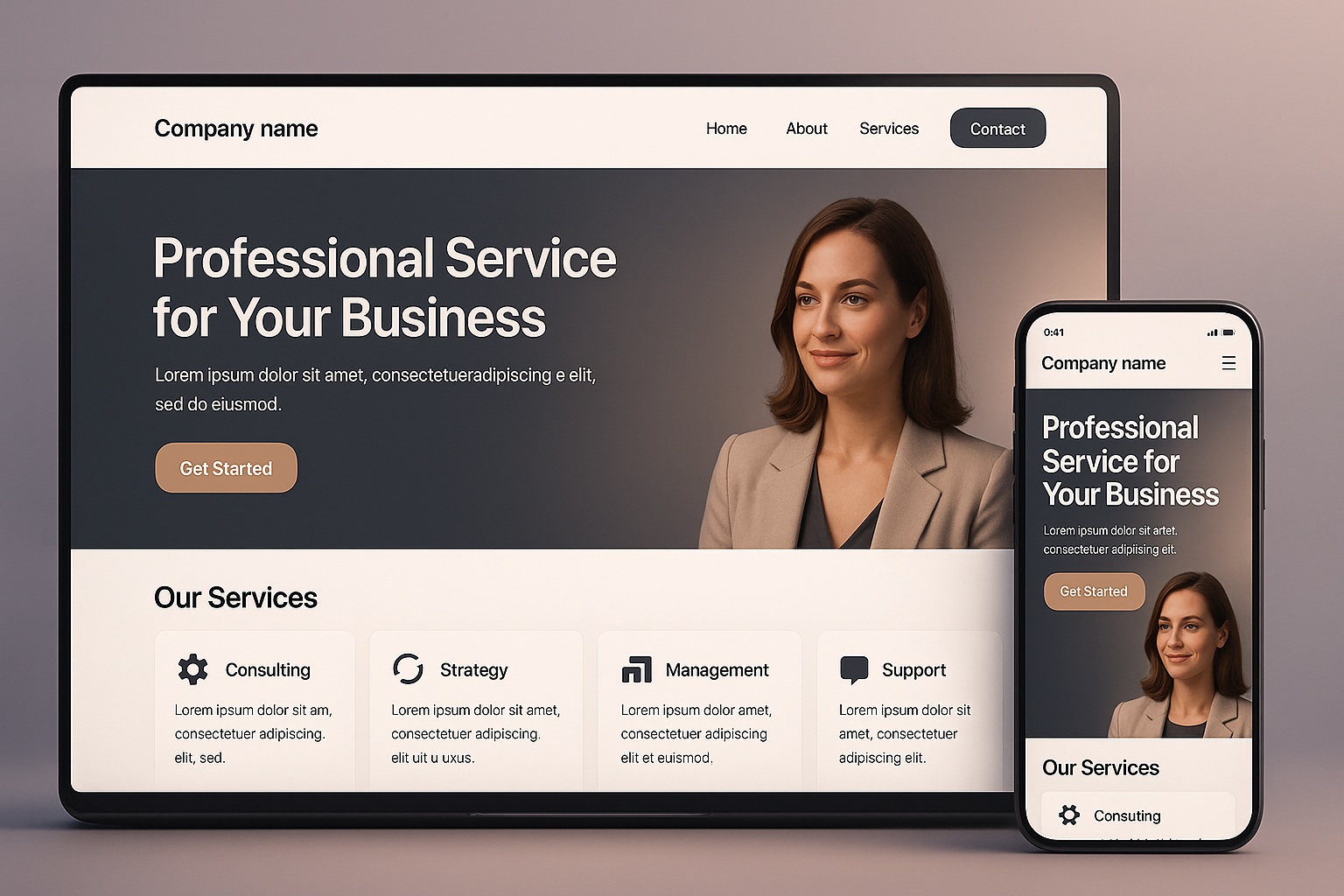
H2: Why 2026 Web Design Trends Matter for Service Businesses
Service businesses thrive on trust, speed, and clear communication. Your website often delivers the first impression, and in many cases, it’s the deciding factor for whether a potential customer contacts you.
Here’s why design trends in 2026 matter more than ever:
-
AI assistance is now expected, not optional.
-
Mobile-first is shifting to mobile-dominant as more than 70% of local service searches happen on phones.
-
Authenticity matters—cookie-cutter designs are losing effectiveness.
-
Accessibility is no longer a bonus; it’s a business advantage and legal priority.
-
Users want immediate answers, and your site must deliver them clearly.
A forward-thinking design helps you increase leads, improve credibility, and reduce bounce rates.
H2: Top Website Design Ideas for 2026 That Boost Conversions
Below are the most impactful design patterns service businesses should implement this year.
H3: 1. Hyper-Personalized Hero Sections
Your hero section is the most valuable real estate on your site. In 2026, businesses are using personalization to connect instantly.
How to Apply It
-
Use dynamic headlines based on user location or service category.
-
Include a strong, benefit-driven message such as:
“Fast, Reliable Plumbing in Austin — Book a Same-Day Visit.” -
Add a quick action button (Call Now, Book Online, Get Quote).
-
Integrate subtle, non-intrusive AI chat prompts specific to the service needed.
Why It Works
Personalized hero sections reduce confusion, align expectations, and match user intent immediately—leading to more inquiries.
H3: 2. Minimalist Layouts With High-Impact Visual Hierarchy
Users skim. The best website design ideas for 2026 solve this by using purposeful minimalism and clear hierarchy.
Best Practices
-
Large typography with short, bold statements.
-
Simple color palettes with one accent color.
-
Clean grid systems and generous spacing.
-
High-contrast buttons for fast action.
-
Sticky headers with “Call” or “Book Now.”
Why It Works
Minimalism reduces cognitive overload and makes navigation frictionless—essential for time-sensitive service shoppers.
H3: 3. Conversion-Focused Service Pages (Not Just Descriptions)
Instead of thin, generic service pages, 2026 design prioritizes rich, conversion-driven layouts.
What to Include
-
Before-and-after visuals
-
Trust indicators (certifications, insurance, years of experience)
-
Local proof (areas served, real case studies)
-
Pricing ranges or transparent packages
-
FAQ accordions
-
Embedded reviews and testimonials
-
Clear CTAs every 2–3 scroll sections
Why It Works
Users compare quickly. A well-structured service page answers objections and builds trust instantly.
H3: 4. Smart Appointment Systems With Instant Confirmation
In 2026, service businesses are adopting AI-powered scheduling tools that reduce back-and-forth communication.
Winning Features
-
Real-time availability
-
Auto-reminders and confirmations
-
SMS follow-ups
-
Calendar syncing
-
One-click rescheduling
Impact on Conversions
Faster booking = fewer lost leads. Customers appreciate instant scheduling far more than waiting for a callback.
H3: 5. Authentic Media Over Stock Photos
Stock images are becoming less credible as users increasingly recognize them.
2026 Solutions
-
Real staff photography
-
Casual, behind-the-scenes footage
-
Short intro videos on home or service pages
-
Interactive galleries showing your process
-
AI-assisted image refinement (without making people look unrealistic)
Why It Matters
Authenticity builds trust—critical for service providers like contractors, therapists, consultants, and medical practices.
H3: 6. Accessible-by-Default Interfaces
Accessibility is a major design standard in 2026—not just for compliance but for usability and inclusivity.
Key Elements
-
High color contrast
-
Text scaling
-
Keyboard navigation
-
Screen reader support
-
Alt text for every image
-
Logical content flow and headings
-
Motion-reduced animations
Why It Matters
Accessible design improves the user experience for everyone and boosts SEO performance.
H3: 7. Micro-Interactions That Guide User Behavior
Micro-interactions are tiny animations or responses that guide people through your site.
Examples
-
Button hover effects
-
Animated progress indicators
-
Subtle scroll transitions
-
Floating contact bubble
-
Form validation messages
Why It Works
Micro-interactions help users understand where to go and what to do next—reducing friction while making the site feel polished.
H3: 8. AI-Enhanced Content Blocks and Experiences
AI is reshaping web design in 2026 by creating dynamic, responsive experiences.
Effective Uses
-
Personalized recommendations
-
Smart FAQ generation
-
AI chat support
-
Predictive search on service pages
-
Location-based messaging
-
Dynamic reviews pulled from platforms
Why It Works
AI reduces user effort and makes your website feel helpful—like a digital assistant guiding customers to solutions.
H3: 9. Modern Local SEO-Centric Design Patterns
Local service businesses need hyper-geographic visibility.
2026 Local SEO Enhancements
-
Location-based content blocks
-
Geo-tagged images
-
Service area maps
-
Local testimonials
-
Automated schema markup
-
Neighborhood-specific pages
Why It Works
Search engines reward businesses that show clear local relevance, and users trust companies who understand their area.
H3: 10. Faster, Lighter, Performance-First Design
Speed remains one of the strongest ranking factors—and conversion factors.
2026 Speed Musts
-
Next-gen image formats (WEBP, AVIF)
-
Code minification
-
Server-side rendering
-
Lazy loading for images and sections
-
Fewer plugins
-
Lean animations
Why It Works
Fast websites reduce bounce rates and increase conversions—critical for service industries where users make split-second decisions.
H2: Best Website Design Inspirations for Service Businesses
Here are real-world inspirations for 2026 design trends.
Example Patterns
-
Clean and bold layouts seen in modern home service companies.
-
Calm, trust-building color schemes used by medical and wellness providers.
-
Conversion-optimized landing pages used by agencies and consultants.
-
Interactive portfolios used by contractors and creative service providers.
-
Multi-step quote forms used by remodelers, moving companies, and legal services.
Use these as creative benchmarks when designing your own site.
H2: Building a 2026-Ready Website: Checklist
Here’s a quick checklist to follow during your redesign:
Design
-
Minimal layout with modern aesthetic
-
Consistent brand identity
-
Responsive and mobile-dominant
Conversion
-
Prominent CTAs
-
Sticky contact header
-
Multi-step lead forms
-
Real testimonials and social proof
Content
-
Skimmable sections
-
Local intent language
-
Clear value proposition
Tech
-
Fast load time
-
Secure hosting
-
Accessibility compliance
-
AI-enhanced tools
Conclusion & Call to Action
The best website design ideas for 2026 focus on clarity, personalization, trust, and speed—especially for service-based businesses. By implementing these design patterns, you’ll create a website that not only looks modern but truly performs as a lead-generating asset.